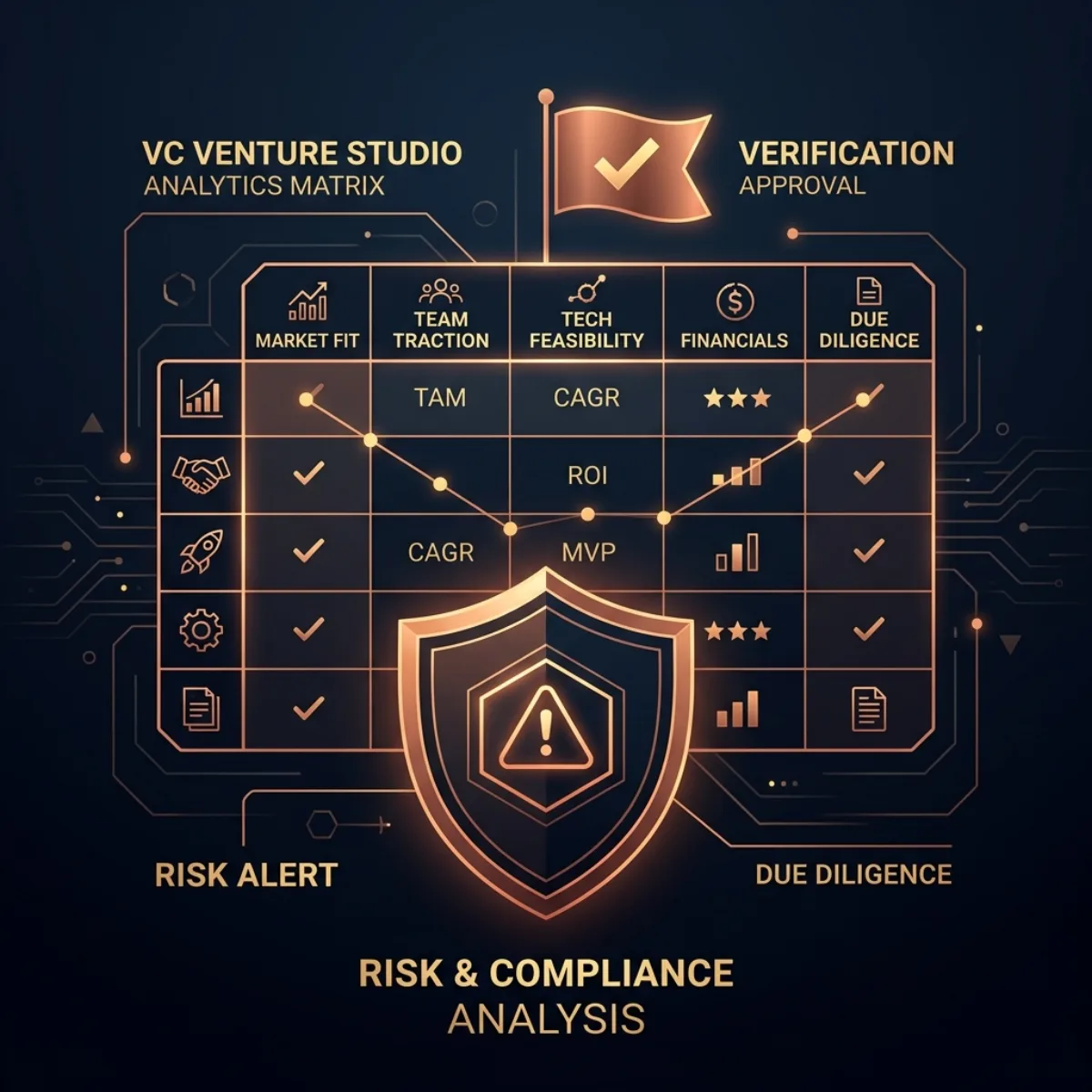
Endorsement is highly competitive. Assessors reject hundreds of applications every month. Understanding the top failure modes is the best way to safeguard your application.
1. Detailed Analysis of Rejection Rates
The UK Innovator Founder Visa is designed to attract high-growth tech entrepreneurs. Because the Home Office has removed the legacy £50,000 capital investment requirement, the volume of applications has increased significantly. To manage this demand, endorsing bodies have established highly strict review criteria. Recent industry data suggests that the rejection rate at the initial pre-screening and formal assessment stages exceeds 65%.
Most rejections are not caused by bad business ideas. Instead, they result from poor preparation, generic positioning, or failing to satisfy the specific statutory definitions of the visa. The Home Office has delegated the evaluation to private bodies, and their assessors evaluate dossiers from a venture capital perspective. They look for technological moats, realistic market traction, and active founder leadership.
2. The Four Major Rejection Modes
Through our analysis of rejected dossiers, we have categorized the failure modes into four distinct operational areas:
- The "Lifestyle" Business Model Trap: Many founders submit business plans that are essentially local agencies, IT consultancies, or standard e-commerce dropshipping stores. These business models fail the scalability test. If your revenue grows in direct proportion to your headcount (e.g., a software development agency where more clients require hiring more developers to do manual consulting work), it is classified as a lifestyle business. A scalable startup must demonstrate growing operating margins, where revenue grows exponentially while expenses remain linear.
- The Proxy Applicant Profile: If a founder relies on an immigration agency to write their business plan, they will struggle during the video panel interview. The assessors are experienced business operators and VCs. They will ask detailed questions about unit economics, system architecture, competitor pricing, and UK regulations. If the founder cannot answer these questions confidently without looking at notes, the board will conclude that they are a proxy applicant or a passive investor, leading to a rejection on viability.
- Go-To-Market (GTM) and Validation Gaps: Many business plans contain generic marketing statements like: "We will acquire customers through Google Ads, SEO, and social media." This shows a lack of UK-specific market research. Assessors expect to see detailed customer discovery, local competitor analysis, and early commercial validation (such as Letters of Intent or pilot sign-ups from UK businesses).
- Administrative and Compliance Failures: These occur at the final Home Office stage. Even if you secure an endorsement letter, your visa will be refused if your bank statements do not meet the strict 28-day maintenance fund rules, if your TB clearance certificate was issued by an unapproved clinic, or if your ECCTIS degree equivalency evaluation was completed incorrectly.
3. Failure Modes & Mitigation Matrix
The following table lists the common failure modes identified by endorsing bodies, why they trigger a rejection, and how to mitigate them:
| Failure Mode | Root Cause | Endorsing Body Perspective | Mitigation Strategy |
|---|---|---|---|
| "Lifestyle" Business Model | Consultancies, local retail shops, or standard agency plans. | Fails the Scalability test. Does not create enough local employment. | Pivoting to a scalable SaaS or tech marketplace platform with broad market reach. |
| Passive Founder Profile | Founder cannot explain the financials or product flows in the interview. | Fails the Viability test. Suggests a proxy applicant or passive investor. | Founder must lead the business plan preparation and study all technical details. |
| Generic Go-To-Market | "We will acquire customers through SEO and social media." | Fails the Viability test. Shows lack of UK-specific market research. | Detailing specific partner integrations, direct sales funnels, and early pilot client feedback. |
| Administrative Errors | Invalid bank statements or ECCTIS delays. | Fails Home Office compliance guidelines. | Reviewing all documents against Home Office guidelines before submission. |
4. Operational Strategies to Prevent Rejection
To ensure your application clears both the endorsing body review and the Home Office compliance checks, we recommend the following operational safeguards:
- Conduct Mock Panel Interviews: Have an experienced business mentor or VC run a simulated interview. Focus on technical features, cloud hosting costs, data privacy, GTM customer acquisition costs, and hiring roadmaps.
- Include Concrete Visual Proofs: Do not rely on high-level statements. Include Figma system flows, data flow diagrams, API schemas, and customer interview charts in your plan.
- Obtain Professional Document Reviews: Before submitting, have your financial bank statements, criminal record checks, and ECCTIS validations reviewed by an expert to ensure they comply with Home Office formatting rules.
5. The Appeal and Re-Application Process
If your endorsement or visa is rejected, you have options:
- Endorsement Review Appeal: Most endorsing bodies offer an administrative review process if you believe the assessor made a factual error. You must submit your appeal within 14 days.
- Home Office Administrative Review: If the Home Office rejects your visa after you secured endorsement (e.g. over a maintenance fund dispute), you can file for an Administrative Review. This costs £80.
- Re-applying: If the business model was rejected, it is often faster to rewrite the plan, address the feedback, and submit a fresh application to a different endorsing body rather than appealing.
Ready to Build & Relocate Your UK Venture?
Schedule a 60-minute strategy call with an endorsed UK founder. We review your venture concept against Home Office statutory criteria within 24 hours.
Apply for Strategy Session →Building Something That Needs to Last?
Junagal partners with operator-founders to build Tech-native companies with permanent ownership and no exit pressure.